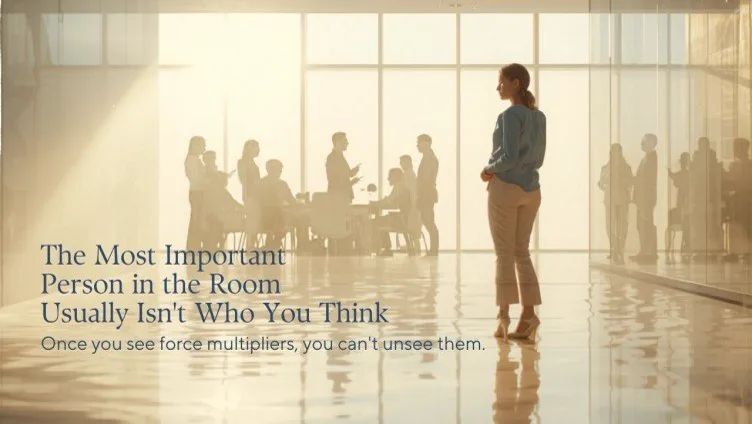
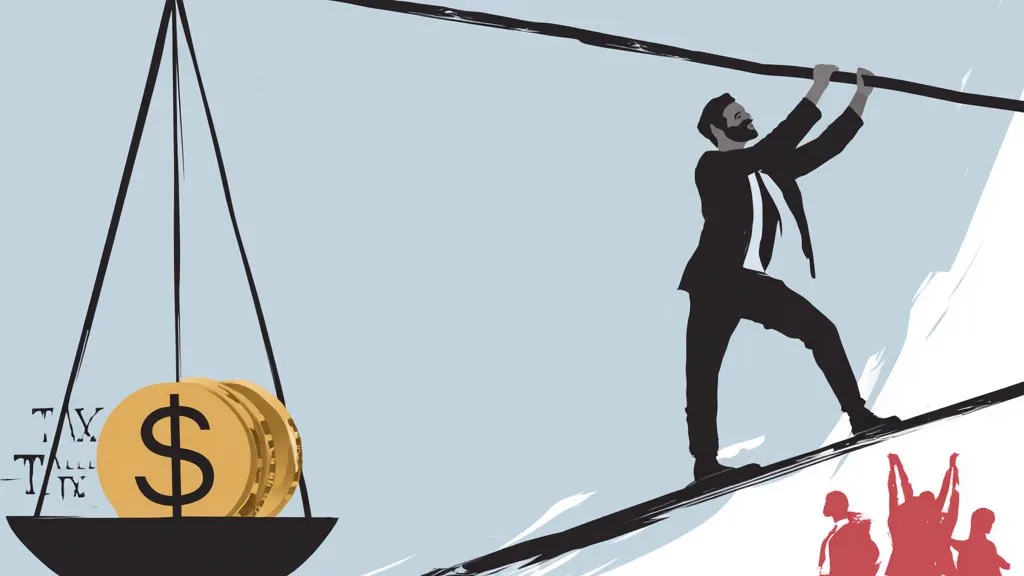
The Theory of Scarce Value
The first two articles in this series were about people. This one is about economics.

The first two articles in this series were about people. This one is about economics. Because something is changing underneath all the noise about AI and automation and the future of work. Something most people can feel before they can name. Not the technology, not the tools, not the speed. The rules of value are being rewritten in real time and almost nobody has said it plainly yet, so let me try.
- When information becomes abundant, judgment becomes scarce.
- When output becomes abundant, movement becomes scarce.
- When polish becomes abundant, trust becomes scarce.
- When speed becomes abundant, steadiness becomes scarce.
- When automation becomes abundant, human coherence becomes scarce.
- When noise becomes abundant, signal becomes scarce.
- When credentials become abundant, proof becomes scarce.
That is not a prediction about the future. That is what is happening right now, inside your organization, inside your industry, inside every room where AI has arrived and everyone is waiting to understand what it actually means.
It means the things that used to create professional advantage are becoming easier to produce. Little doubt you can think of numerous examples from your own life and career. And the moment something becomes easy to produce, it stops being the thing that creates rare value. The advantage moves. It always moves. And right now it is moving somewhere most organizations are not looking.
Not a replacement story
Most people are telling themselves this is a replacement story. Machines replacing humans, automation replacing jobs, artificial intelligence replacing professional value. That is the story generating the anxiety, the think pieces, the corporate workshops about staying relevant, and the LinkedIn posts that have somehow made everyone simultaneously more informed and more confused about their own future.
It is not the whole story. AI is not a replacement story. It is a revelation story. It is revealing where human value was always most rare. Making the invisible visible. Ending the era where you could hide behind credentials, activity, and the performance of competence, and beginning the era where what you actually create around you is impossible to ignore. For the right people, that is the best professional news in a generation.
For years, certain things created advantage because they were genuinely harder to produce: access to information, polished output, strong credentials, well documented business cases supported by thoroughly documented research. Those things still matter. But they are no longer scarce. Information is everywhere. Output is cheap. Polished language takes seconds. Presentations get refined by software. Research gets summarized instantly. Strategy memos get drafted before the coffee is cold. When everyone can produce the artifact, the artifact proves less.
The question moves underneath it. Did the work move? Did judgment improve? Did trust deepen? Did this person create value or produce a better looking container around the same uncertainty? These things have always mattered. The difference now is that everything around them is getting easier to manufacture, which means the real thing is becoming impossible to hide. And impossible to replace.
Throughout this series I have been describing people who carry this kind of value into a system. Who do not merely produce but help organizations decide, trust, simplify, and move. Who turn information into judgment, output into movement, speed into progress, and pressure into clarity. Who make the room smarter, the work lighter, and the people around them more capable of doing what the moment actually requires.
In a world where everyone can produce more, the person who makes production matter is invaluable.
In a world where information is everywhere, the person who knows what to do with it is rare. In a world where polish is easy, the person who creates genuine trust is irreplaceable. That is not sentiment, that is economics. Scarcity determines value, always has. And right now the most scarce things in any organization are exactly the things that force multipliers create.
The future does not belong to the people who can produce the most. It belongs to the people who make what is produced matter.
The Signal
Observations like this, delivered directly.
No spam. No filler. Just the patterns that matter.